
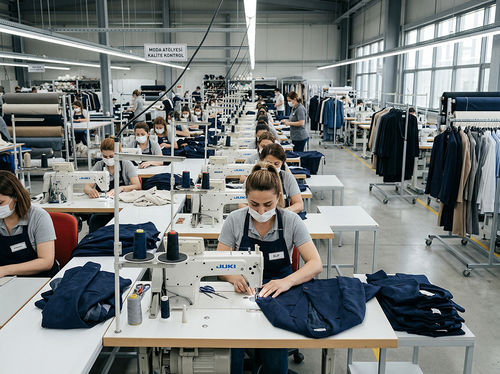
Quality garment manufacturing plays a crucial role in shaping modern fashion brands by ensuring durability, comfort, and consistency. This article explores how material selection, production techniques, quality control, and sustainability impact brand reputation and consumer trust. Investing in high-quality manufacturing processes helps fashion brands build long-term loyalty and stand out in a competitive market.
In the increasingly competitive world of fashion, the quality of garment manufacturing plays a pivotal role in defining the identity and success of fashion brands. Consumers today are more aware and discerning about the clothing they purchase, expecting durability, comfort, and ethical production. This shift has urged fashion brands to prioritize quality clothing as a core element of their strategy.
The Role of Garment Manufacturing in Fashion Branding
Garment manufacturing is much more than just assembling fabrics; it embodies craftsmanship, precision, and technology that collectively influence the final product’s quality. Modern fashion brands that focus on superior garment manufacturing can build a reputation for reliability and authenticity.
Key Elements of Quality Garment Manufacturing
- Material Selection: The foundation of quality clothing begins with choosing the right fabrics, fibers, and trims that meet durability and comfort standards.
- Production Techniques: Advanced stitching, cutting, and finishing techniques ensure garments retain their shape and aesthetics over time.
- Quality Control: Rigorous inspection processes help catch defects early, maintaining consistency across product lines.
- Sustainability: Ethical manufacturing practices that reduce waste and environmental impact are increasingly valued by consumers.
Impact on Consumer Perception
Consumers associate quality clothing with trustworthiness and value. When fashion brands invest in high-quality garment manufacturing, they not only enhance the durability and comfort of their products but also build long-term relationships with their customers. This trust often translates into brand loyalty and positive word-of-mouth, essential factors in today’s digital marketplace.
Challenges in Maintaining Quality
Despite its importance, maintaining consistent quality in garment manufacturing poses challenges such as:
- Balancing cost efficiency with premium materials and craftsmanship.
- Navigating complex global supply chains that may affect production timelines.
- Adapting to evolving fashion trends without compromising manufacturing standards.
Emerging Trends in Garment Manufacturing
The fashion industry is witnessing several innovative trends aimed at improving garment manufacturing quality, including:
- Automation and AI: Integrating technology to enhance precision and reduce human error.
- Eco-friendly Materials: Increasing use of organic and recycled fabrics.
- Local Production: Reducing carbon footprint by shortening supply chains.
How Akçınar Giyim Exemplifies Quality Garment Manufacturing
Akçınar Giyim, a notable name in the garment manufacturing sector, exemplifies the integration of traditional craftsmanship with modern production technologies. Their commitment to quality clothing supports fashion brands in delivering products that meet international standards, reflecting a balance between innovation and heritage.
For fashion brands seeking reliable partners in garment manufacturing, resources like Akçınar Giyim’s manufacturing solutions offer insight into how consistent quality can be achieved across diverse product ranges.
Conclusion
Quality garment manufacturing is fundamental to the growth and reputation of modern fashion brands. It influences consumer trust, sustainability efforts, and the overall market competitiveness of a brand. As the industry evolves, embracing advanced manufacturing techniques and ethical practices will remain crucial for brands aiming to thrive in the global fashion landscape.